
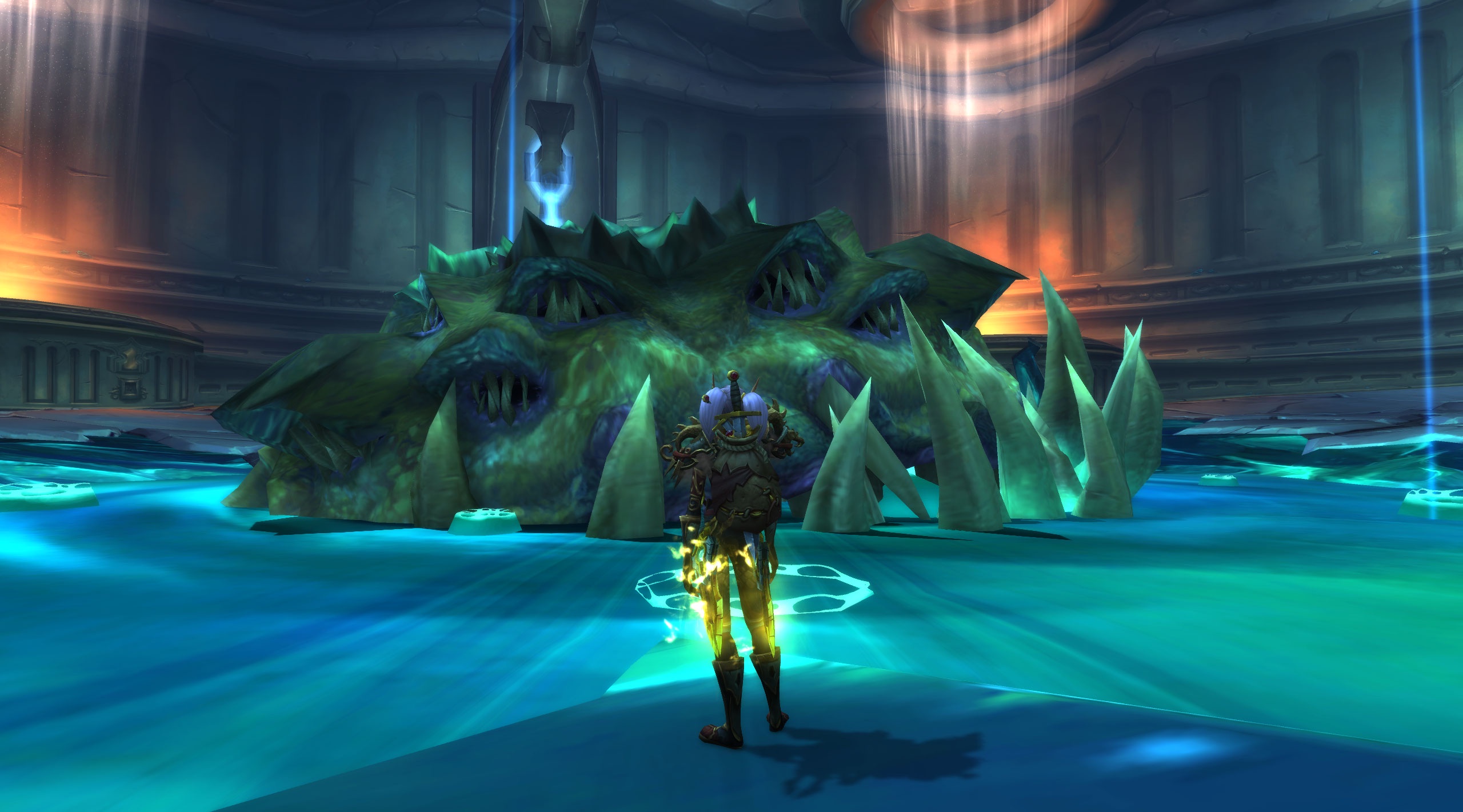
When you plunge into raiding in World of Warcraft, you’re engaging with rich psychological dynamics. Shared challenges in raids strengthen communal bonds and enhance your identity within the game, forming a tight-knit social fabric. Leadership under pressure, effective communication, and trust are vital for success. The balance of risk and reward fuels excitement and motivates you to push limits, while maneuvering setbacks fosters resilience. Team roles, from tanks to DPS, and coping strategies maintain performance under stress. The satisfaction from conquering tough bosses in unison keeps you coming back for more thrilling experiences as you keep exploring.
Key Takeaways
- Raiding fosters communal bonds and collective identity through shared challenges and collaborative problem-solving.
- Leadership in raids demands clear communication, resource management, and effective conflict resolution to maintain team cohesion.
- The thrill of defeating formidable bosses and achieving milestones drives risk-taking behaviors and engagement.
- High-stakes situations enhance intrinsic motivation and desire for mastery, while external rewards like rare loot bolster commitment.
- Emotional resilience and coping strategies prevent burnout, enabling teams to view setbacks as opportunities for growth.
Social Identity
Understanding social identity within the scope of raiding in World of Warcraft requires delving deep into the communal bonds formed amidst virtual challenges. As you navigate through complex dungeons and fight formidable bosses, social belonging becomes vital. You’re not just playing a game; you’re establishing deep-rooted connections with fellow players. This sense of community engagement helps you in identity formation, where your in-game character and your role within the raid group reflect a significant part of who you are.
Achieving shared goals alongside your team fosters a collective identity that strengthens with each successful raid. You’re committed to the group, understanding that your contributions matter. Group commitment is essential where each player’s role fulfillment guarantees overall success. These experiences go beyond mere game mechanics, offering a robust framework for social reinforcement. Every “well done” or “great job” builds your sense of belonging and validates your place within the community.
In World of Warcraft, raiding is more than just an activity; it becomes a platform for meaningful human connections. Through social belonging, identity formation, and community engagement, you find a sense of purpose and satisfaction that transcends the virtual world.
Group Dynamics
As you foster social connections and solidify your identity through raiding in World of Warcraft, the intricate dance of group dynamics comes into play. Effective communication styles are critical, allowing you to share strategies, provide feedback, and adjust roles dynamically. Trust building is another cornerstone—without it, coordinating complex encounters is nearly impossible. You develop role expectations that help guarantee everyone knows their duties, from tanking to healing.
Group cohesion and shared goals drive your team forward. Achieving a collective objective, like defeating a challenging raid boss, strengthens bonds. This social bonding reinforces your identity within the group and creates a reliable support system. Cooperative behavior becomes second nature as you rely on each other to overcome obstacles.
Feedback loops facilitate continuous improvement, helping you tweak strategies and enhance performance. Emotional support, especially during setbacks, can’t be underestimated. Encouraging words and constructive criticism keep you motivated and focused. Ultimately, the synergy of these elements creates a raiding environment where everyone feels valued and essential. Through this collaborative effort, you don’t just conquer in-game challenges; you build enduring relationships and a shared sense of accomplishment.
Leadership Roles
As you step into a leadership role during a World of Warcraft raid, you’re often faced with making critical decisions under pressure while ensuring smooth team coordination. It’s essential to employ strategies that maintain focus and unity, even when conflicts arise. Your ability to resolve tension effectively can make or break the success of the raid.
Decision-Making Under Pressure
Why do some leaders thrive under the intense pressure of a raid in World of Warcraft, while others crumble? You need to understand the dynamics of stress management and cognitive flexibility. Leaders who excel under pressure manage stress through careful preparation and mental resilience. They possess the cognitive flexibility necessary to adapt their strategies quickly when unexpected challenges arise.
| Thriving Leaders | Struggling Leaders |
|---|---|
| Effective Stress Management | Poor Stress Management |
| High Cognitive Flexibility | Low Cognitive Flexibility |
| Adaptable Strategy | Rigid Strategy |
To thrive, you have to develop effective techniques for managing stress. This includes taking regular breaks, maintaining clear communication, and having a robust support network. Equally important is cognitive flexibility—a skill that lets you adapt to new information and changing circumstances during a raid. It’s about recognizing when your current strategy isn’t working and having the mental agility to shift gears.
Empathy and insight into your team’s state can enhance decision-making. Understanding their strengths and weaknesses allows you to delegate tasks efficiently, minimizing bottleneck situations. So, to lead successfully under pressure, cultivate both your stress management and cognitive flexibility skills. It’s not just about the mechanics of the game; it’s about leading people through unpredictable scenarios.
Team Coordination Strategies
Understanding team coordination strategies is the next step in guaranteeing effective leadership during high-pressure raids. It begins with clear communication styles. You must articulate instructions succinctly to prevent misunderstandings. Tactical planning is essential; mapping out each player’s tasks and role assignment guarantees everyone knows their responsibilities.

After setting your initial strategy, move to strategy evaluation. Assess how well it’s working during live combat. Utilize feedback loops; constantly gather and act on feedback from your team. This helps refine strategies in real-time. Effective leaders also focus on resource management, balancing mana, health potions, and cooldowns efficiently to maximize the group’s longevity during encounters.
Adaptive methods come into play when unexpected challenges arise. Quickly modify tactics based on evolving situations. Performance assessment is another vital aspect. Continuously evaluate your team’s performance, identifying strengths and areas for improvement. This isn’t about blame but about guaranteeing everyone can excel.
Conflict Resolution Tactics
In the heat of a World of Warcraft raid, conflicts can surface, demanding swift and effective resolution from a leader. As a leader, understanding various communication styles is critical in addressing conflict triggers that may arise among team members.
First, employ mediation strategies that emphasize empathetic listening. By showing genuine concern for each party’s feelings, you can identify the core issues at hand. Utilize your emotional intelligence to navigate these tense situations, which aids in maintaining team cohesion. Offering role clarification can prevent misunderstandings that often fuel conflicts. Clearly articulate each member’s duties to eliminate ambiguity and set expectations.
Using assertive expression guarantees that everyone’s viewpoints are heard without escalating tensions. Assertiveness combined with empathetic listening creates a balanced dialogue where compromise solutions can thrive. Implementing effective negotiation tactics, like finding common ground, helps reconcile differing viewpoints.
Additionally, establish robust feedback mechanisms within your team. Encouraging open, constructive feedback allows members to voice concerns before they develop into serious issues. Ultimately, always be prepared to engage in compromise solutions, fostering an environment where mutual respect thrives. By employing these tactics, you can transform potential conflicts into opportunities for growth and unity within your raid group.
Risk and Reward
You know the thrill of uncertainty when you and your raid group face a formidable boss, balancing the risk of failure with the potential for achievement. That sense of progress keeps you coming back, as each victory isn’t just about loot but about personal and collective accomplishment. Social dynamics play a huge role, fostering camaraderie and compelling you to push your limits together.
Thrill of Uncertainty
Imagine plunging into the heart of a raid, not knowing exactly what perils or treasures await you and your team. This thrill of uncertainty drives many players, as it taps into deep-seated psychological tendencies.
You often face suspenseful moments where the outcome isn’t guaranteed. This uncertainty tolerance fosters an adrenaline rush, a key element behind the fear factor that makes raiding so engaging. Each raid is filled with:
- Random outcomes: Loot drops and enemy behaviors are unpredictable.
- Unexpected challenges: Each boss fight introduces new mechanics that test your adaptability.
- Risk-taking behavior: Decisions made in real-time can lead to massive gains or devastating losses.
- Exploratory actions: Charting the raid’s unknown territories is both exciting and intimidating.
- Suspenseful moments: Critical decisions during the climax can change the raid’s result entirely.
These exploratory actions tap into your thrill-seeking tendencies. As you venture deeper, facing these unexpected challenges requires a high tolerance for uncertainty. It’s this blend of risk-taking behavior and engaging experiences that keeps you coming back for more. The constant flux of random outcomes guarantees no two raids are ever the same, creating a compelling cycle of anticipation and reward.
Achievement and Progress
Amidst the unfolding chaos of a raid, there’s a palpable sense of progress and achievement driving you forward. Each encounter conquered represents a milestone in your journey, a confirmation to your goal setting and unwavering determination. You set personal and team goals, weaving them into the fabric of each raid, transforming intimidating challenges into achievable feats. This structured approach doesn’t just keep you focused; it ignites a sense of purpose that pervades the entire experience.
Progress in raiding isn’t just about defeating bosses; it’s a potent catalyst for personal growth. Each victory, no matter how minor, contributes to your development, honing your skills and sharpening your reflexes. You become more adept at understanding game mechanics, adapting strategies, and collaborating effectively with your team. These achievements, though locked within a virtual domain, resonate deeply, feeding your drive for continual improvement both in-game and beyond.
Balancing the risk and reward in raiding fuels your motivation. The prospect of powerful loot and prestigious titles keeps you pursuing, while the possibility of failure teaches resilience. This dance between triumph and setback crafts a compelling narrative of growth and accomplishment, a saga defined by your dedication and perseverance.
Social Dynamics Influence
The sense of accomplishment achieved through overcoming raid challenges intertwines seamlessly with the intricate web of social dynamics that define the raiding experience. Raiding isn’t just about defeating bosses; it’s about cultivating social bonding and strong interpersonal relationships within your group. When you engage in a raid, you’re participating in community engagement that is both essential and fulfilling.
Understanding the dynamics:
- Trust building: Shared success and failure strengthen mutual reliance.
- Role assignment: Clear roles and responsibilities streamline effort, creating a cohesive unit.
- Communication styles: Effective, adaptive communication can make or break a raid.
- Identity formation: Group identity forms, providing members with a sense of belonging.
- Expectation management: Consistent behavior patterns help manage individual and group expectations.
As you navigate through these dynamics, you’re not just playing a game; you’re investing in complex interaction that mirrors real-life social structures. You learn to rely on others, adapt your communication styles, and develop intricate relationships that build trust. It’s this balance of risk and reward, driven by interaction and community spirit, that enriches the World of Warcraft raiding experience, making each victory a collective triumph.
Conflict Resolution
Steering through the nuances of conflict resolution in World of Warcraft raids demands both skill and empathy. When conflict triggers arise, your primary goal is to maintain team cohesion. This requires effective mediation, balancing various communication styles, and leveraging emotional intelligence. Pay close attention to how team members express their concerns and guarantee everyone has a voice, fostering participant engagement.
Effective communication styles vary from direct confrontation to more subtle cues, so tuning into these nuances can make a world of difference. By understanding each member’s perspective, you help build interpersonal trust, a cornerstone of any successful raid team. High emotional intelligence allows you to read the room and address underlying tensions before they escalate.
Regular outcome evaluation is also vital. After each raid or conflict, take the time to review what worked and what didn’t. This continuous improvement approach reinforces team cohesion and enhances future performance. Furthermore, engaging in this practice transparently with your team further solidifies trust and encourages open dialogue.
Performance Pressure
Facing performance pressure in World of Warcraft raids can be overwhelming, yet it’s an integral part of the gaming experience. You feel the weight of role expectations and the constant drive to excel in a competitive mindset. Performance anxiety can creep up, affecting your stress management strategies and overall well-being.
Imagining your role in a raid, you’ll recognize the high-stakes environment:
- Accurate spell rotations: Timing your abilities perfectly.
- Avoiding raid mechanics: Steering through the battlefield seamlessly.
- Maximizing DPS: Pushing your damage output effectively.
- Supporting teammates: Ensuring you fulfill your specific role.
- Communicating clearly: Conveying essential information to your team.
Understanding feedback mechanisms is significant. Constructive feedback boosts self-efficacy beliefs, building confidence in your abilities. Conversely, negative feedback can undermine this, intensifying stress and decreasing performance.
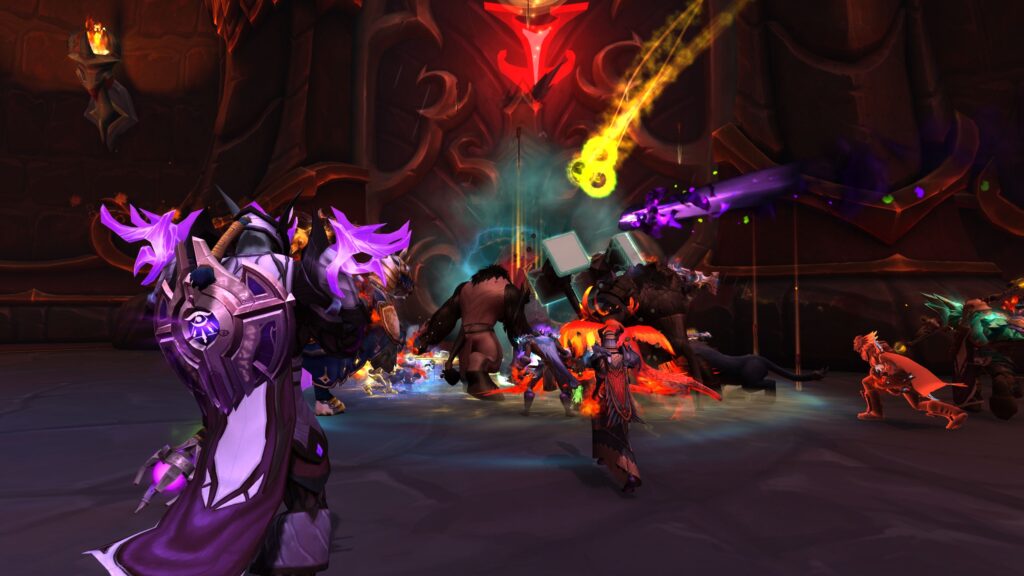
Effective coping strategies are necessary for handling performance pressure. Emotional intelligence helps you manage your emotions and read those of your teammates, fostering a supportive environment. Visualization, mindfulness, and focused practice can improve your resilience against in-game stress.
Ultimately, balancing your role expectations with personal well-being is essential. Raiding is a complex dance of skills, where mastering stress management and nurturing a positive mindset turn formidable challenges into triumphant victories.
Motivation Factors
As you grasp stress management in high-pressure raids, understanding what drives you to participate becomes equally important. It’s essential to reflect on your intrinsic motivation—a deep-rooted desire for mastery experience and personal growth. When you set challenging goals and achieve them, your self efficacy beliefs soar, reinforcing your commitment to raiding.
External rewards, such as rare loot and achievements, further fuel your participation. However, the competitive spirit also keeps you pushing forward, as you endeavor to outperform others and earn your place among the elite. Your journey isn’t just about defeating bosses; it’s also about proving your capabilities and evolving as a player.
Community engagement forms another cornerstone of your motivation. The camaraderie and support you find within your raid group enhance your overall experience, providing a sense of belonging and mutual purpose. When you work together toward a common goal, the shared victories become more meaningful.
Understanding these motivation factors—self efficacy beliefs, intrinsic motivation, external rewards, goal setting, mastery experience, competitive spirit, personal growth, and community engagement—helps you navigate the complexities of raiding with greater insight and purpose. Each element contributes to a fulfilling and enriching raiding experience.
Collaboration Skills
When you plunge into a high-stakes raid in World of Warcraft, collaboration skills become your most essential asset. Effective teamwork techniques and adaptive strategies can mean the difference between triumphant success and crushing defeat. You need to understand the dynamic interplay of roles and how communication styles affect the group’s performance.
To visualize this, consider:
- A designated healer focusing intently on allies’ health bars.
- A tank absorbing damage, anchoring the team’s stability.
- DPS (Damage Per Second) players timing their attacks for maximum impact.
- A raid leader issuing commands through voice chat.
- Members engaging in post-raid discussion to refine strategies.
Role allocation is key; everyone must know their responsibilities and how they contribute to the whole. Trust-building methods help cement your raid team, ensuring that when unexpected challenges arise, you can rely on each other. Feedback loops foster constant improvement, enabling you to adapt swiftly to new scenarios.
Utilizing collaboration platforms, like Discord or in-game chat, enhances communication and boosts synergy effects. In this way, you can forge an efficient, cohesive unit where every player’s contribution is indispensable, making every raid a step towards collective mastery.
Emotional Resilience
Emotional resilience is the bedrock of every successful World of Warcraft raider. Raiding challenges push you to your mental limits, requiring not only skill but also robust emotional regulation. Handling the pressure and keeping your cool when a strategy fails takes immense mental endurance. Effective stress management is crucial; without it, frustration can erode team morale and weaken group cohesion.
Your psychological resilience is tested through repeated failures before achieving a breakthrough. It’s important to view each setback as a learning opportunity, using motivational techniques to keep morale high. Rallying the team with positive reinforcement can transform a discouraging wipe into a chance to improve.
Implementing coping strategies, like taking short breaks or discussing tactics calmly, can reframe a negative situation positively. Cultivating a mindset that embraces growth from adversity will bolster your mental toughness. The collective psychological resilience of the group hinges on each raider’s ability to manage their own emotional state.
Frequently Asked Questions
How Do Players Manage Their Time Between Raiding and Real-Life Obligations?
To manage your time between raiding and real-life obligations, you need effective time management and clear personal boundaries. Identify your commitment levels and prioritize accordingly. Use scheduling strategies to allocate dedicated periods for both gameplay and personal responsibilities. This approach helps in stress reduction. Balance is key, and it requires setting gameplay priorities without compromising other essential areas of your life. Maintain empathy for yourself to remain insightful and balanced.
What Are the Economic Impacts of Raiding in World of Warcraft?
You might wonder about the economic impacts of raiding. Raiding can cause gold inflation, as more players acquire valuable items, driving up prices. Guild economies are essential, with resource sharing like potions and gear enhancing group performance. As demand increases, item value fluctuates, potentially disrupting the in-game market. Understanding these dynamics helps you get a clearer picture of how raiding shapes the game’s economy, benefiting everyone involved.
How Do Graphics and Design Elements Influence Raiding Experiences?
Imagine, for a moment, the thrill of aesthetic immersion in raiding when sharp graphic feedback invigorates your senses. Design motivation fuels your desire to conquer challenges, guided by meticulously crafted visual cues. You’re not just playing; you’re experiencing an art form that pulls you deeper into the game. These elements aren’t distractions; they’re the lifeblood of raiding, transforming each encounter into a vividly immersive journey.
What Are the Technological Requirements for Successful Raiding?
For successful raiding, you’ll need stable internet to avoid lag, and decent hardware performance for smooth gameplay. Voice chat is essential for coordination, while addon usage enhances strategy. Understanding class synergy guarantees your team maximizes skills effectively. Even a slight delay or hardware glitch can disrupt the raid, so balancing these technological requirements helps create a seamless, immersive, and effective raiding experience.
How Does In-Game Communication Differ From Out-Of-Game Communication During Raids?
Did you know that in-game communication can boost raid success by nearly 20%? In-game, your group dynamics rely heavily on quick, concise communication styles, often driven by emotional intelligence. Players use mechanics like raid markers for instant feedback mechanisms. Out-of-game communication is more relaxed and detailed, allowing deeper discussions. Both are essential, but mastering in-game communication is key to steering through the fast-paced nature of raids effectively.
Conclusion
Diving into the raiding in World of Warcraft helps you understand intricate psychological dynamics. You’ll see how social identity and group dynamics shape your gameplay. Leadership, risk-reward balance, and conflict resolution become second nature. Performance pressure and motivation drive your actions, while collaboration hones your social skills. And like ancient warriors preparing for battle, emotional resilience is key. By reflecting on these facets, you not only become a better player but also gain insights into human behavior. Fascinating, isn’t it?
Enjoyed this article? Let’s keep the conversation going!
Discover more insights, tips, and in-depth guides on [your niche/topic]. Join our blog community for regular updates, expert advice, and discussions. Don’t miss out on the latest trends.