Azeroth’s Wild Gods have existed since long before mortals built kingdoms, wielded magic, or sailed across continents. They are primordial beings tied to nature, emotion, dreams, and spiritual forces—shaping entire cultures, empowering chosen champions, and influencing global events from the shadows. While many players know names like Goldrinn, Aviana, Ursoc, or Loa such as Rezan and Bwonsamdi, few recognize the full extent of their impact across expansions. These entities appear, vanish, guide heroes, and re-emerge at pivotal moments, weaving one of the deepest narrative threads in Warcraft’s history.
This article explores how Wild Gods affect zone themes, questlines, raids, and player identity, and why their presence continues to echo through modern expansions long after their original stories seemed complete.
The Ancient Role of Wild Gods in Shaping Azeroth
Long before the rise of the Night Elves, the Wild Gods roamed Azeroth freely. They acted as guardians of the land, defenders of natural balance, and spiritual anchors for early life. Their existence predates most mortal civilizations, giving them unmatched influence over the world’s natural forces. Many of them became linked to sacred places, deep forest groves, elemental zones, or druidic traditions that still persist thousands of years later.
This ancient influence is why expansions often return to them when exploring primal themes, natural upheaval, or the spiritual struggles between order and chaos.
Wild Gods as Cultural Pillars Across Races
Different races see Wild Gods through unique cultural lenses. For Night Elves, they are spiritual ancestors tied to the Emerald Dream. For Trolls, the Loa represent power, rebirth, and tribal identity. Tauren view the Wild Gods as Earthmother’s children. Pandaren treat them as wise spirits aligned with harmony and balance. These cultural interpretations enrich quest design, rituals, and character motivations across zones.
Wild Gods don’t just exist—they shape how entire races understand life, death, power, and purpose.
List: Wild Gods and the Expansions They Shaped
Many expansions relied on Wild Gods to anchor zone narratives, raid themes, or story arcs:
- Classic: Ursoc, Aviana, and others appear through druidic questlines.
- Wrath of the Lich King: Ursoc and the bear spirits play a key role in Grizzly Hills.
- Cataclysm: Goldrinn, Aviana, Tortolla, and others lead the Mount Hyjal defenses.
- Mists of Pandaria: The August Celestials become spiritual guides in Pandaria.
- Battle for Azeroth: Multiple Loa shape Zandalar’s politics, religion, and story conflicts.
- Shadowlands: Wild Gods tied to Ardenweald face extinction and rebirth cycles.
- Dragonflight: Primal and Dream themes bring Wild God influences back to the forefront.
Each expansion revisits these ancient beings in different ways—sometimes deeply, sometimes subtly—but always in ways that reshape player understanding of Azeroth’s spiritual history.
The Loa: A Wild God Pantheon of Their Own
One of the most complex subgroups of Wild Gods is the Loa of the Trolls. From Rezan’s regal leadership to Bwonsamdi’s dark humor, the Loa serve as cultural cornerstones for Zandalari society. Their influence extends into leveling zones, dungeon bosses, and raid mechanics, turning them into active partners—or adversaries—in gameplay. Bwonsamdi in particular has grown from a quirky spirit to a major lore figure shaping entire narratives across multiple expansions.
The Loa show how Wild Gods can embody personality, morality, and conflicting motives without ever losing their mythic gravitas.
Ardenweald and the Preservation of the Wild Gods
Shadowlands introduced Ardenweald as the cycle of rest and rebirth for Wild Gods. The zone revealed the fragile nature of these entities: they can die, fade, regenerate, or return based on spiritual balance. This introduced new emotional depth to previously indestructible-feeling beings. Ursoc’s tragic storyline demonstrated the cost of imbalance, while Ysera’s rebirth showed hope rooted in sacrifice and cyclical renewal.
Ardenweald reframed Wild Gods as characters with vulnerability, not just primal forces.
Wild Gods and Mechanic Design in Raids and Dungeons
Some of the most memorable encounters in WoW draw directly from Wild God power. Bosses tied to nature, primal elements, or spirit realms often incorporate mechanics inspired by these beings—aesthetic choices rooted in druidic lore, animal forms, dream magic, or ancient rituals. Even when not present in the fight itself, their influence shapes art, mechanics, and storytelling across raids such as the Firelands or Battle of Dazar’alor.
This design synergy strengthens narrative cohesion across gameplay.
The Symbolic Power of Wild Gods
Wild Gods often represent more than nature—they embody hope, rebirth, ferocity, wisdom, or balance. Their symbolic qualities give expansions emotional resonance. Players remember Ursoc not just as a bear deity but as a symbol of strength turned tragedy. They remember Chi-Ji as a symbol of perseverance. They remember Bwonsamdi as a playful yet feared arbiter of spirits. These emotional threads anchor players deeply to the world.
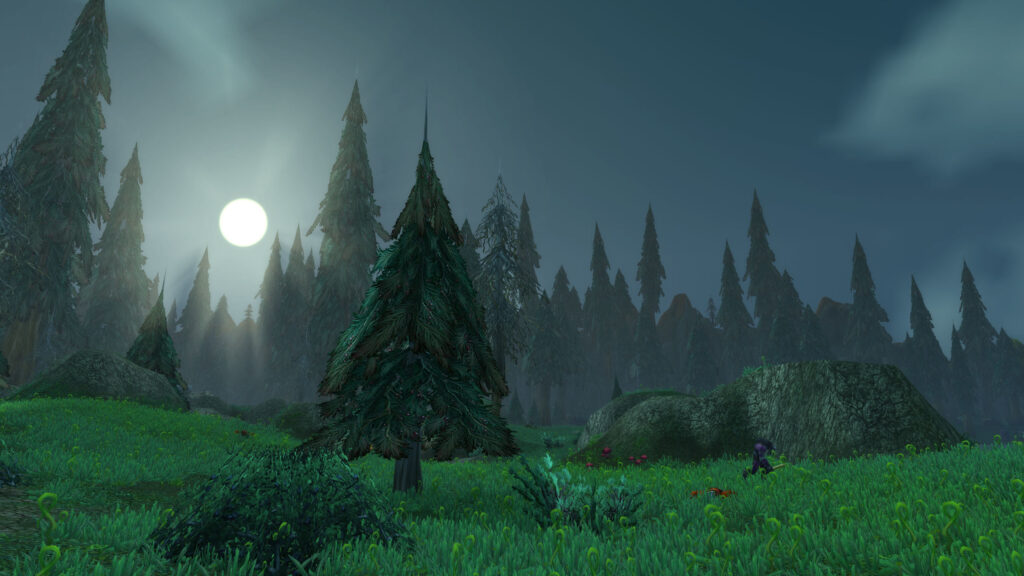
The symbolism gives meaning to player actions, making the world feel alive and culturally connected.
Why They Continue to Resurface
Wild Gods return frequently because their themes are universal. As long as expansions explore life, nature, chaos, death, or spiritual struggle, these beings remain relevant. They maintain deep roots in druidic storylines, shamanistic quests, primal threats, and even historiC conflicts like the War of the Ancients. Their longevity makes them perfect recurring anchors across evolving narratives.
The Wild Gods are Azeroth’s mythological spine—always present, even when unseen.
The Future Role of Wild Gods
As Warcraft explores the Dream, elemental planes, and forgotten histories, Wild Gods will likely continue taking central roles. Their connection to Azeroth itself positions them as potential guides or guardians in future conflicts. With ongoing storylines involving the primal forces of life and order, their influence is far from finished.
They may be ancient, but their stories are still evolving.
Conclusion
From ancient forests to the afterlife itself, Azeroth’s Wild Gods are woven into the very foundation of Warcraft’s storytelling. They guide cultures, shape expansions, influence gameplay moments, and bring emotional depth to the world. Their presence is timeless because they embody the heart of Azeroth’s natural and spiritual identity. Whether appearing as Loa, animal spirits, Dream guardians, or celestial guides, the Wild Gods remain some of the most enduring and meaningful figures in the entire Warcraft universe.
Their influence does not fade—it echoes through every era, across every continent, and into every new story still waiting to be told.