

Each WoW expansion has reshaped the game’s design, adding new systems, altering progression, and redefining how players experience Azeroth. From early content focused on community and challenge to modern expansions with streamlined systems and accessibility, WoW has evolved dramatically since its launch in 2004.
Exploring how expansions changed WoW’s design over time shows how Blizzard responded to shifting player expectations and industry trends while maintaining the game’s core identity.
Vanilla and The Burning Crusade
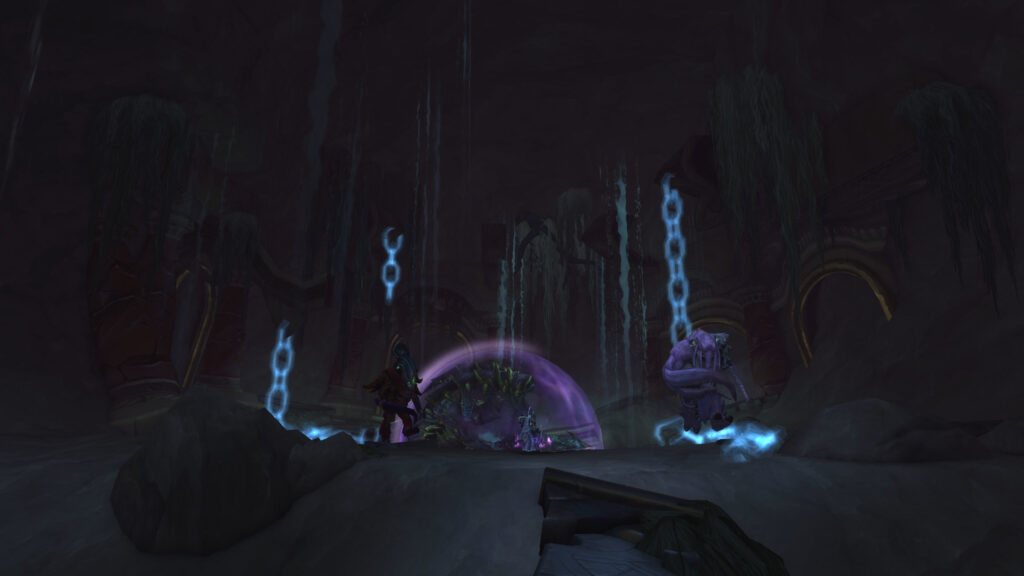
The early years of WoW emphasized community, difficulty, and long-term progression. Raids required large groups, attunements, and extensive preparation. The Burning Crusade expanded on this foundation, introducing flying mounts, smaller raids, and more accessible dungeons, gradually shifting design toward broader participation.
This era established the framework for WoW’s identity as a social, challenging MMO.
Wrath of the Lich King
Wrath introduced systems like the dungeon finder, making content more accessible to casual players. This expansion balanced epic storytelling with accessibility, ensuring more players could experience raid content. It also marked a turning point in design, prioritizing inclusivity while maintaining challenging endgame content.
Wrath’s success demonstrated that accessibility and epic narrative could coexist in WoW’s design philosophy.
Cataclysm and Mists of Pandaria
Cataclysm rebuilt old zones, emphasizing narrative cohesion and accessibility, though it also introduced divisive difficulty spikes in dungeons. Mists of Pandaria refined systems with flexible raiding sizes and extensive collectible content, highlighting Blizzard’s growing focus on variety and replayability.
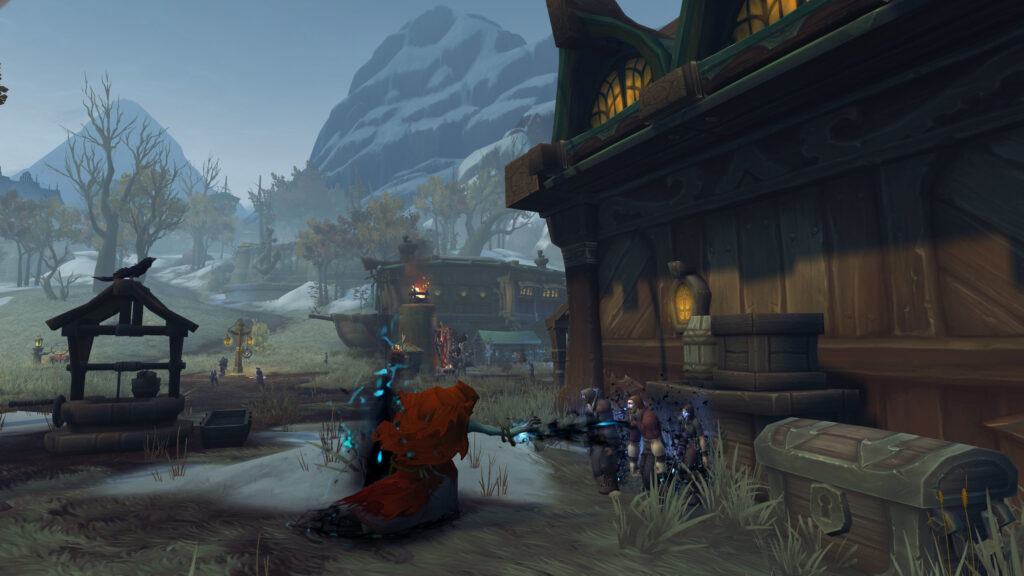
These expansions showed Blizzard’s willingness to experiment with structure and tone, even when it risked alienating parts of the community.
Warlords of Draenor and Legion
Warlords struggled with limited endgame content but introduced garrisons, foreshadowing future systems of player housing. Legion revitalized WoW with artifact weapons, Mythic+ dungeons, and class halls, cementing features that remain integral today. Legion’s design philosophy prioritized meaningful player power progression and storytelling.
This era proved that strong systems and narrative integration could revive the game after weaker expansions.
Battle for Azeroth and Shadowlands
BFA introduced Azerite gear, while Shadowlands experimented with Covenants and borrowed power systems. While ambitious, these mechanics sparked debate about grind and player agency. They showed the risks of overcomplicating systems without long-term sustainability, prompting lessons Blizzard carried into The War Within.
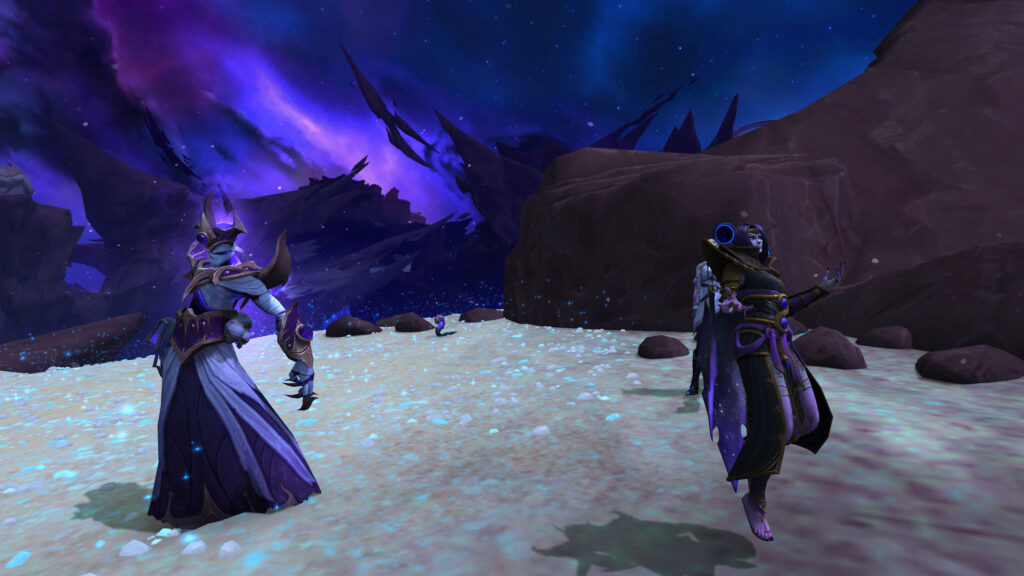
Despite their flaws, these expansions continued pushing boundaries in system design and storytelling.
The War Within and Beyond
The War Within refined many systems by focusing on account-wide progression, streamlined gearing, and Warband mechanics. This shift represents Blizzard’s attempt to simplify without losing depth, ensuring WoW remains engaging for both new players and veterans. It signals a future where accessibility and depth are balanced more carefully than ever before.
The table below summarizes the major design shifts across WoW’s expansions.
| Expansion | Design Shift |
|---|---|
| Vanilla – TBC | Community focus, attunements, flying mounts |
| Wrath | Accessibility via dungeon finder |
| Cataclysm – MoP | Zone reworks, collectibles, flexible raids |
| Warlords – Legion | Garrisons, artifact weapons, Mythic+ |
| BFA – Shadowlands | Azerite, Covenants, borrowed power |
| The War Within | Warbands, account-wide progression |
Conclusion
Expansions have shaped WoW’s design by balancing accessibility, depth, and narrative focus. Each era brought lessons that influenced the next, from Vanilla’s community-driven content to The War Within’s streamlined systems. Blizzard’s willingness to adapt while honoring the game’s legacy ensures WoW remains relevant in 2025 and beyond.
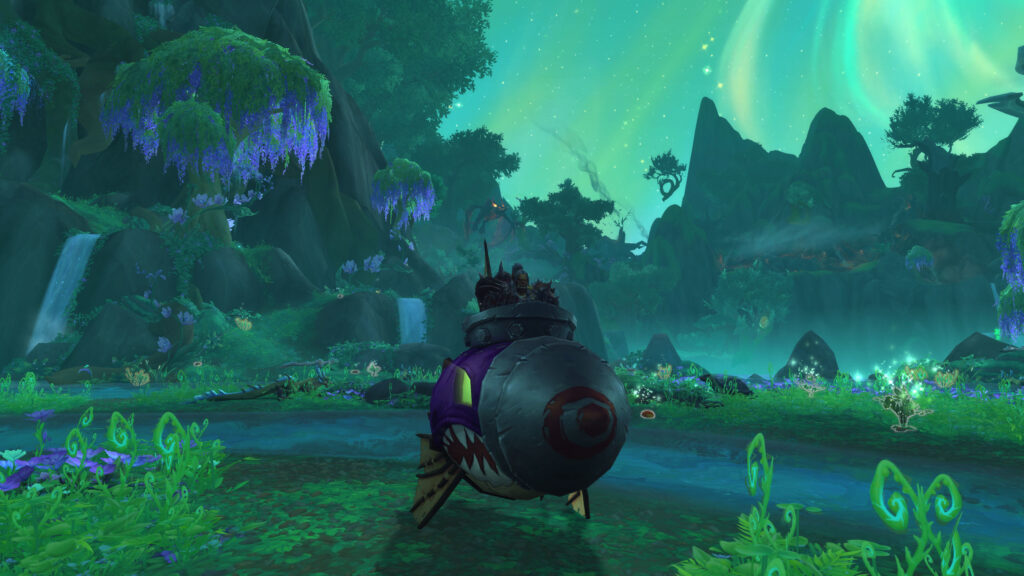
For players, the evolving design of WoW reflects both the history of the game and the shifting expectations of the MMO genre as a whole.